

Featured in:


Trusted by 700+ Families Nationwide
When we understand the brain's fundamental job—to make sense of the world—and how it keeps doing that work even as dementia changes its abilities, we can learn to work with the brain instead of against it.
SEE DEMENTIA DIFFERENTLY
What if dementia behavior actually made sense?
What if repeated questions, resistance to bathing, hallucinations, wandering, and agitation weren't random symptoms to be managed—but understandable responses from a brain that is still trying to do its job?
The behavior isn't random.
It isn't stubbornness.
It isn't manipulation.
It isn't laziness.
It makes sense.
Most dementia education teaches you what to do.
Better Dementia® teaches you why it happens.
Because when you understand the brain, behavior begins to make sense. And when behavior makes sense, caregiving becomes more intuitive.

If you feel overwhelmed, confused, or constantly reacting — you are not failing.
Caring for someone with dementia can quietly take over your life.
What worked last month suddenly does not work anymore.
Conversations fall apart.
Everyday tasks become harder.
You start doubting yourself.
Most caregivers are doing their best — without a clear understanding of what is actually happening in the brain, or what to expect next.
That lack of understanding is what creates overwhelm.
Not a lack of love.
Not a lack of effort.


WHY THE OLD APPROACH STOPS WORKING
When something has changed—but no one has told you what.
When correcting your mom makes her furious—and reasoning only makes it worse—something has changed.
When your spouse insists nothing is wrong—even as daily life falls apart—something has changed.
When the conversation that used to calm things now escalates into conflict—something has changed.
Most caregivers respond the way they always have. They explain. They correct. They reason. But dementia changes the brain in ways that make those approaches work against you.
That is not a failure of love. It is a gap in understanding.
YOU'RE NOT ALONE
What dementia caregivers are really feeling.
Confused
The strategies that worked for years have suddenly stopped working.
Guilty
Wondering if you're doing enough—or doing it right.
Exhausted
By decisions that feel impossible to make with confidence.
Isolated
Because so few people around you truly understand what this is like.
Afraid
Of making a mistake that could hurt the person you love.
Overwhelmed
Caregiving without a roadmap, and without anyone to hand you one.
These feelings are not signs of weakness.
They are signs that you are caregiving without a roadmap.
THE HEART OF BETTER DEMENTIA®
A better way of understanding dementia.
The brain never stops trying to do its job.
Dementia changes what the brain is capable of doing, but it does not change the brain's fundamental purpose—to make sense of the world. When you understand how the brain keeps doing that work even as disease disrupts its abilities, you begin to see your loved one differently.
Not as someone who is being difficult.
Not as someone who is choosing these behaviors.
But as someone whose brain is still trying to make sense of the world with the abilities it has left.
That single shift in understanding changes everything.
WHAT IT LOOKS LIKE IN REAL LIFE
The same shift, again and again.
Every hard moment tends to follow the same pattern—once you know how to read it. You see a behavior, you understand what the brain is doing, and everything about how you respond changes.
WHAT YOU SEE
"Mom insists she already took her medication."
WHY IT HAPPENS
Her brain isn't lying. It's filling a gap the only way it can—with what feels true to her in this moment.
WHAT CHANGES
You stop arguing the facts, and start working with how her brain is actually experiencing the moment.
WHAT YOU SEE
"Dad accuses me of stealing from him."
WHY IT HAPPENS
A brain that can't find something still needs an explanation—so it reaches for the one that makes sense to it.
WHAT CHANGES
You stop defending yourself, and the accusation loses its sting instead of starting a fight.
WHAT YOU SEE
"He asks the same question every five minutes."
WHY IT HAPPENS
Each time, it's genuinely the first time. The brain isn't holding onto the answer you just gave.
WHAT CHANGES
You stop correcting, and start answering the feeling underneath the question instead.
UNDERSTANDING CHANGES EVERYTHING
When behavior becomes understandable…
…communication becomes more effective.
…frustration gives way to compassion.
…confidence replaces uncertainty.
…caregiving becomes more intuitive.
You don't need hundreds of disconnected caregiving tips.
You need a better way of understanding the brain.
WAYS TO LEARN
Wherever you are, it begins the same way.

1-ON-1
Private Consultation
Personalized guidance for families facing complex dementia challenges—applying the Better Dementia® framework to your situation, learning communication strategies, and navigating the toughest decisions together.

FOR TEAMS
Professional Training
Equip your whole team with a shared understanding—the Better Dementia® framework, the easy-to-recognize stages, and consistent communication and support strategies—so your entire staff recognizes and responds to dementia the same way.

COMING SOON
Better Dementia
A Caregiver's Roadmap. The comprehensive book introducing the Better Dementia® framework—a new way of understanding the brain, four easy-to-recognize stages, and the communication and support strategies that align with each one, through the very end of the journey. (Publishing, 2027)

FOR FAMILIES
Better Dementia® Academy
Learn the complete Better Dementia® framework—the easy-to-recognize stages, and the communication and support strategies that align with each one—through video-based instruction, at your own pace. Lifetime access.
700+
Families supported nationwide
PA-C
Practicing dementia clinician
Springer
Published author, 2025
ONE FAMILY'S EXPERIENCE
"It was as if she had opened the windows and let the light in."
When one family faced dementia's hardest questions, more than fifteen of them came together with Amy over a series of video calls.
"The grace with which she validated our experiences and educated us on complex brain changes was truly remarkable. When presented with illness, it's easy to spend money on things trying to help someone. This was truly money well spent."
"I'm also a healthcare provider, and I'm fully aware of the lack of direction and support available to families facing dementia. Amy's teaching has changed the way I practice—each day I share my newfound knowledge with my patients and their families. I can't wait for her new book, and I'll be recommending it to many families."
A FAMILY CAREGIVER AND HEALTHCARE PROVIDER
ABOUT
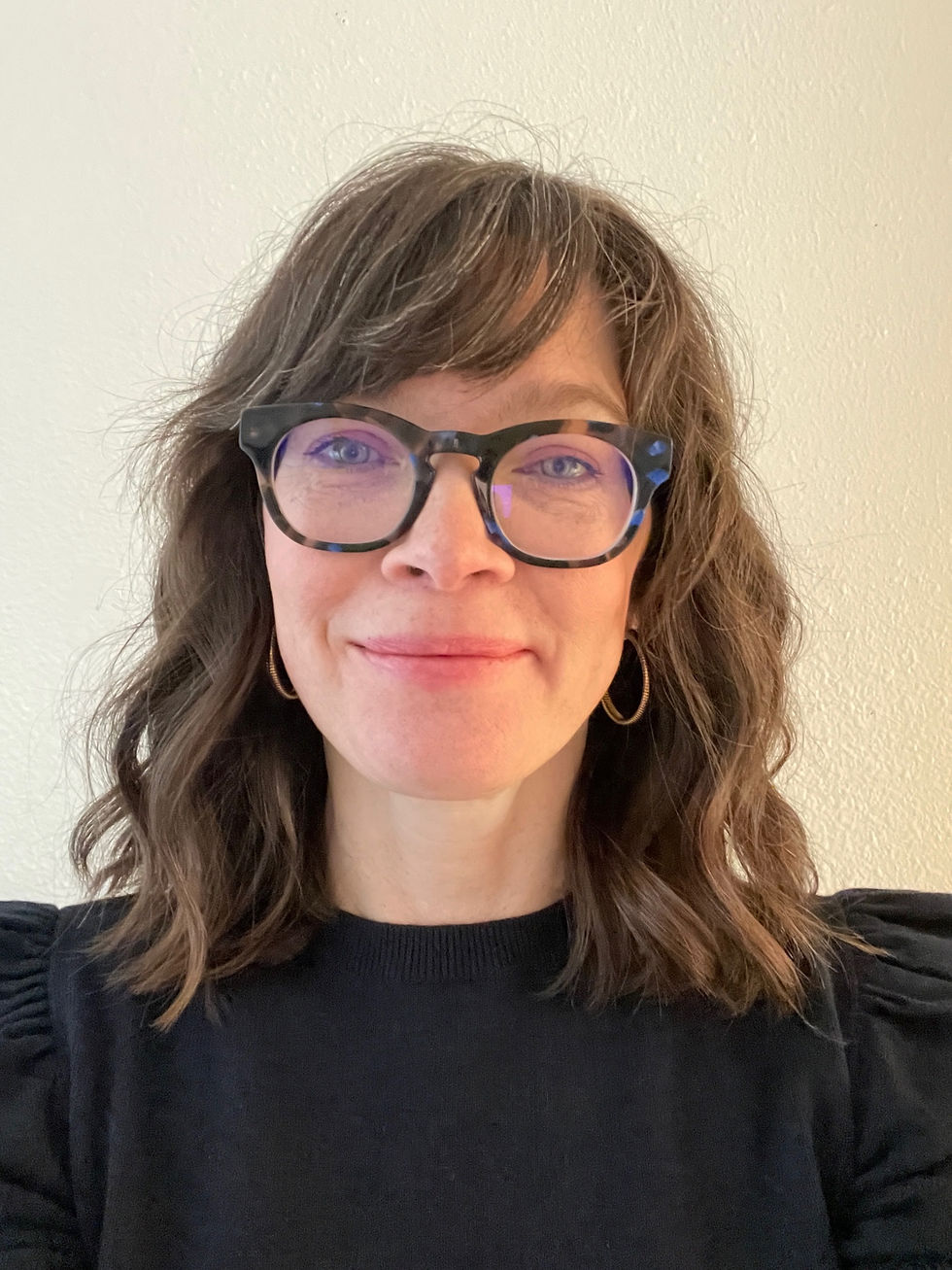
Meet Amy Shaw, PA-C
Dementia clinician, educator, and author—and creator of the Better Dementia® model for understanding the brain.
I've spent nearly a decade as a dementia clinician, walking alongside families through every stage of this journey—from the earliest signs of change through the hardest seasons.
What I've seen, over and over, is that the families who struggle most are not the ones who love less. They are the ones who understand less—not because they haven't tried, but because no one ever explained what dementia is actually doing to the brain in a way that was clear, complete, and usable.
So I built one. Better Dementia® isn't another collection of caregiving tips—it's a framework for understanding why the brain behaves the way it does, so behavior finally makes sense and caregiving becomes more intuitive. That single idea now runs through everything I create: the book, the Academy, the guidance I offer families, and the training I bring to care organizations.
Amy Shaw is a physician assistant and dementia clinician, author of The Arc of Conversation: A How-To Guide for Goals of Care Conversations (Springer, 2025), and author of the forthcoming Better Dementia: A Caregiver's Roadmap (Publishing, 2027).
What families say about working with Amy
❝
"I no longer feel lost—I have a plan and the confidence to care for my dad with love and understanding."
– Sarah, Family Caregiver
❝
"The insights Amy provided helped me navigate my mom’s dementia with clarity and less stress. I only wish I had found her sooner!"
– Michael, Family Caregiver
❝
"If you’re struggling with dementia caregiving, Amy is the expert you need. Her knowledge and compassion are unmatched."
– Laura, Family Caregiver
❝
"Amy has a unique way of making a difficult journey feel manageable. Her advice gave me peace of mind and the ability to truly be present for my husband."
– Jennifer, Family Caregiver
Your guide through the dementia journey
Better Dementia was created to give family caregivers clear, steady guidance through the dementia journey.
It is led by Amy Shaw, PA-C, a dementia clinician who helps caregivers understand the what, when, and why of dementia — so they can master the how of caregiving with more clarity and confidence.
The approach centers understanding, dignity, and calm — helping caregivers feel less alone and more confident as the journey unfolds.

Better Dementia™ Online Course:
Clear, plain-language education to help you understand dementia and what to expect as it progresses.
Support Tailored for Your Journey
Personalized 1:1 Consultation:
Thoughtful guidance to help you apply understanding to real-life caregiving decisions.
Concierge Support:
Personalized support for families navigating complex or changing situations.
"Dementia may rob a loved one of their skills and abilities, but it will never take away their humanity."
A CORE BELIEF BEHIND BETTER DEMENTIA®
Amy Shaw, PA-C
Dementia Clinician | Medical Director | Author
Amy Shaw, PA-C, is a nationally recognized dementia clinician and author who has guided more than 700 families through the dementia journey. She is known for transforming overwhelming situations into clear, manageable language—helping caregivers care with confidence, clarity, and calm.
With over a decade of experience in geriatrics, hospice, and cognitive disorders, Amy provides expert dementia education and consulting to families nationwide. Her work blends deep clinical knowledge with practical, compassionate guidance, helping caregivers understand what is happening in the brain, why behaviors change, and how to respond with skill and dignity at every stage of dementia.
Amy is the author of The Arc of Conversation: A How-to Guide for Goals of Care Conversations (Springer, 2025), a practical guide to conducting effective goals-of-care and end-of-life discussions. Her forthcoming book, Better Dementia: From Overwhelmed to Empowered (publishing 2027), brings her signature caregiving framework to a broader audience. She also leads a monthly Caregiver Support Group in Cheyenne, Wyoming, fostering connection and support for those navigating dementia.
Across all of her work, Amy’s mission is simple: to empower families with the understanding they need to navigate dementia with steadiness, compassion, and confidence.
Have questions? Contact Amy here.